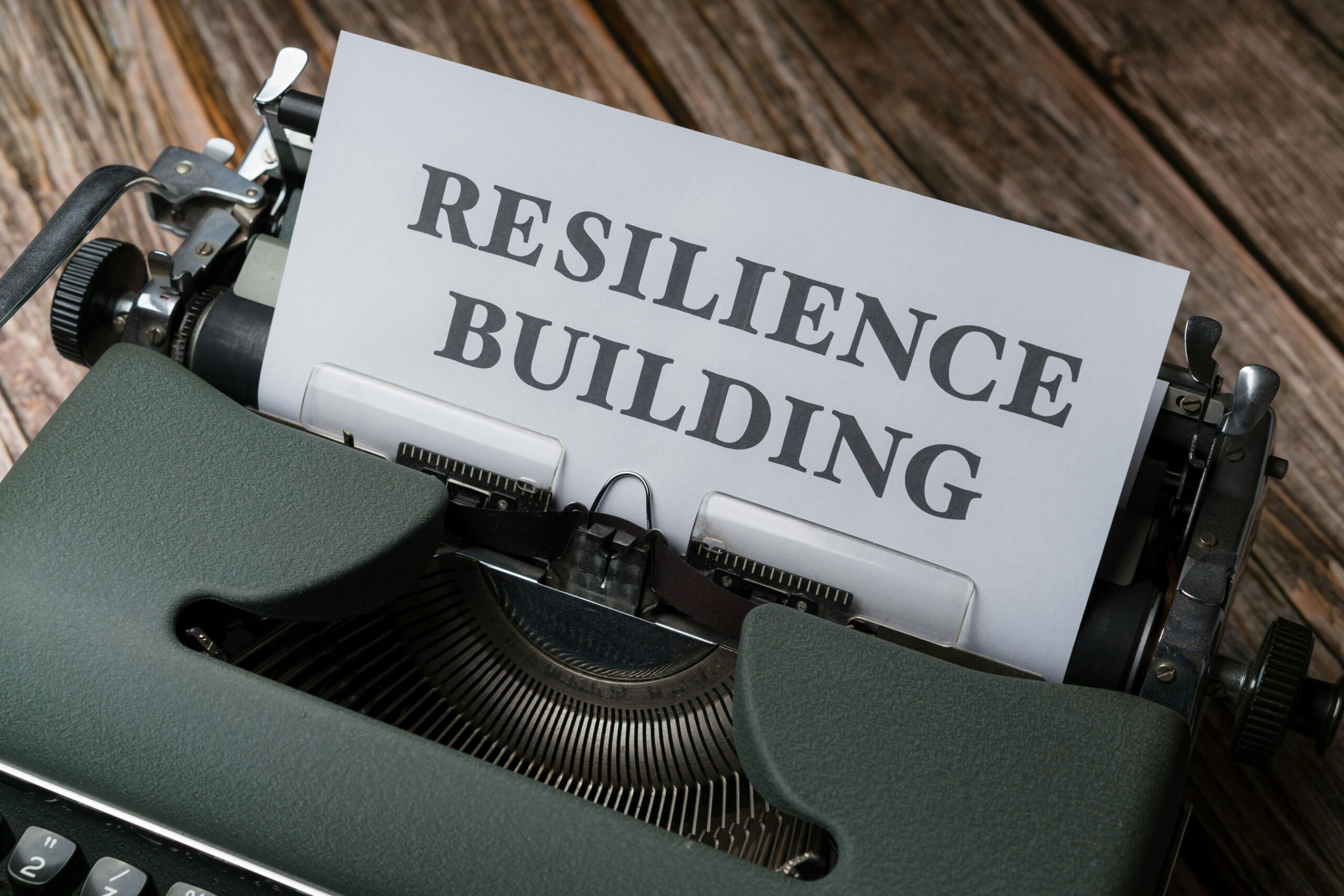
Operational resilience is no longer just a safety plan. It is a core part of how a strong business works. Every company faces change, stress, delays, errors, and sudden events. Some events are small, like a late shipment. Others are large, like a cyberattack, supply chain issue, labor shortage, or market shift.
A weak system may break under pressure. A strong system bends, adjusts, and keeps moving. That is the real value of operational resilience. It helps leaders protect service, people, data, cash flow, and trust. It also helps a company grow with more confidence.
Operational resilience means a business can keep serving customers during hard times. It also means the team can recover fast when something goes wrong. The goal is not to avoid every problem. That is not possible. The goal is to build systems that can handle pressure and improve after each test.
Start With Clear Priorities
A resilient company knows what matters most. Leaders must ask simple questions. What services must keep running? What systems support those services? Which teams, tools, vendors, and data are most important?
These answers help a company set clear priorities. Without them, teams may waste time during a crisis. They may protect the wrong process first. They may also miss the part of the business that customers need most.
Operational resilience starts with focus. A company should list its key services and rank them by impact. For example, a bank may need payment systems to stay live. A hospital may need patient records and emergency care tools. An online store may need checkout, inventory, and delivery updates.
When priorities are clear, teams can act faster. They know where to place people, money, and attention. Clear priorities also make it easier to plan, train, and test.
Build Around People, Not Just Tools
Technology matters, but people make systems work. A company may have strong software, backup servers, and detailed plans. Still, it can fail if people do not know what to do.
Operational resilience depends on trained teams. Each person should understand their role during normal days and hard days. Leaders should explain who makes decisions, who sends updates, and who fixes each type of issue.
Good systems reduce confusion. They do not depend on one person who knows everything. When knowledge sits with only one worker, the company has a weak spot. That person may be sick, away, or too busy during a crisis.
Strong teams share knowledge. They write down steps. They cross-train. They hold simple drills. They also speak up when a process feels risky. This builds a culture where resilience is part of daily work.
Map the Weak Points
Every system has weak points. Some are easy to see. Others stay hidden until pressure arrives. A company that wants operational resilience must search for these weak points before trouble starts.
Leaders can begin by mapping how work moves through the business. They should look at people, tools, vendors, data, approvals, and handoffs. This map shows where delays or failures could happen.
Common weak points include outdated software, slow approval chains, single vendors, unclear ownership, poor data access, and manual work with no backup. These issues may seem small on a normal day. During stress, they can stop the whole system.
A strong business does not hide these risks. It studies them. It asks what could fail and how fast the failure would spread. Then it creates backup paths. This kind of honest review helps teams fix problems early.
Make Recovery Fast and Simple
Operational resilience is not only about staying online. It is also about recovery. When something breaks, the company must restore service as fast as possible.
Recovery plans should be simple. Long plans may look impressive, but they often fail when people are stressed. A good plan uses clear steps, plain language, and named owners.
Each plan should answer a few direct questions. What happened? Who needs to know? What service is affected? What is the first action? What backup is available? How will the team know the system is safe again?
Speed matters, but safe recovery matters too. A rushed fix can create a larger problem. Teams should know the right balance between fast action and careful checks.
After each event, the team should review what happened. The goal is not blame. The goal is learning. This review helps the company update its process, train better, and reduce future risk.
Strengthen Vendor and Supply Links
Many companies depend on outside partners. These may include cloud providers, payment tools, shipping firms, suppliers, software vendors, security firms, or call centers. These partners can help a business grow. They can also create risk.
Operational resilience requires strong vendor planning. A company should know which vendors support its most important services. It should also know what happens if one vendor fails.
Leaders should ask vendors about uptime, support, data protection, backup plans, and recovery times. They should also review contracts and service terms. A low-cost vendor may become expensive if it cannot respond during a crisis.
Some businesses need more than one supplier. Others need backup tools or manual workarounds. The right answer depends on cost, risk, and customer impact.
Strong vendor relationships also matter. During a crisis, clear communication can save time. A company should know who to contact, what support is promised, and how fast help can arrive.
Use Data to Guide Decisions
Resilient systems improve when leaders use data. Guesswork is not enough. A company should track system health, service delays, errors, customer complaints, vendor issues, and recovery times.
These measures show where stress is building. For example, rising support tickets may point to a broken process. More delivery delays may show a supply issue. Slow system response may warn of a tech problem.
Operational resilience grows stronger when leaders act before small issues become large ones. Data helps them see patterns. It also helps them decide where to invest.
The best data is useful and simple. Teams do not need endless reports. They need clear signals that show risk, service quality, and recovery strength. When data is easy to read, people can act faster.
Practice Before Pressure Hits
A plan that is never tested is only a guess. Practice turns a plan into a real skill. This is why drills, tabletop exercises, and live tests are important.
A tabletop exercise lets teams walk through a problem together. They may test a cyberattack, power loss, vendor outage, weather issue, or staffing gap. The team talks through each step and finds unclear areas.
Live tests go further. They may test backup systems, call trees, remote work access, or recovery steps. These tests should be safe and planned, but they should feel real enough to teach useful lessons.
Practice builds confidence. It also shows leaders where the plan is too slow or too complex. Over time, teams become calmer under pressure. They know the process because they have used it before.
Turn Resilience Into Daily Work
Operational resilience should not live in a file that no one opens. It should be part of daily business. Teams should think about resilience when they design services, choose vendors, hire people, update software, and set budgets.
This daily mindset helps a company grow in a safer way. New products can include backup steps from the start. New tools can be checked for risk before launch. New employees can learn key processes early.
Leaders set the tone. When leaders treat resilience as important, teams follow. They report problems sooner. They share ideas. They take drills seriously. They also understand that resilience protects customers and jobs.
A thriving system is not perfect. It is aware, flexible, and ready to learn. It can absorb stress without losing its purpose. It can recover when failure happens. It can come back stronger after each challenge.
Operational resilience gives companies the strength to face change with less fear. It helps them serve customers during hard times. It protects trust, supports growth, and gives teams a clear path forward. In a world where disruption is normal, building systems that thrive is one of the smartest moves any business can make.