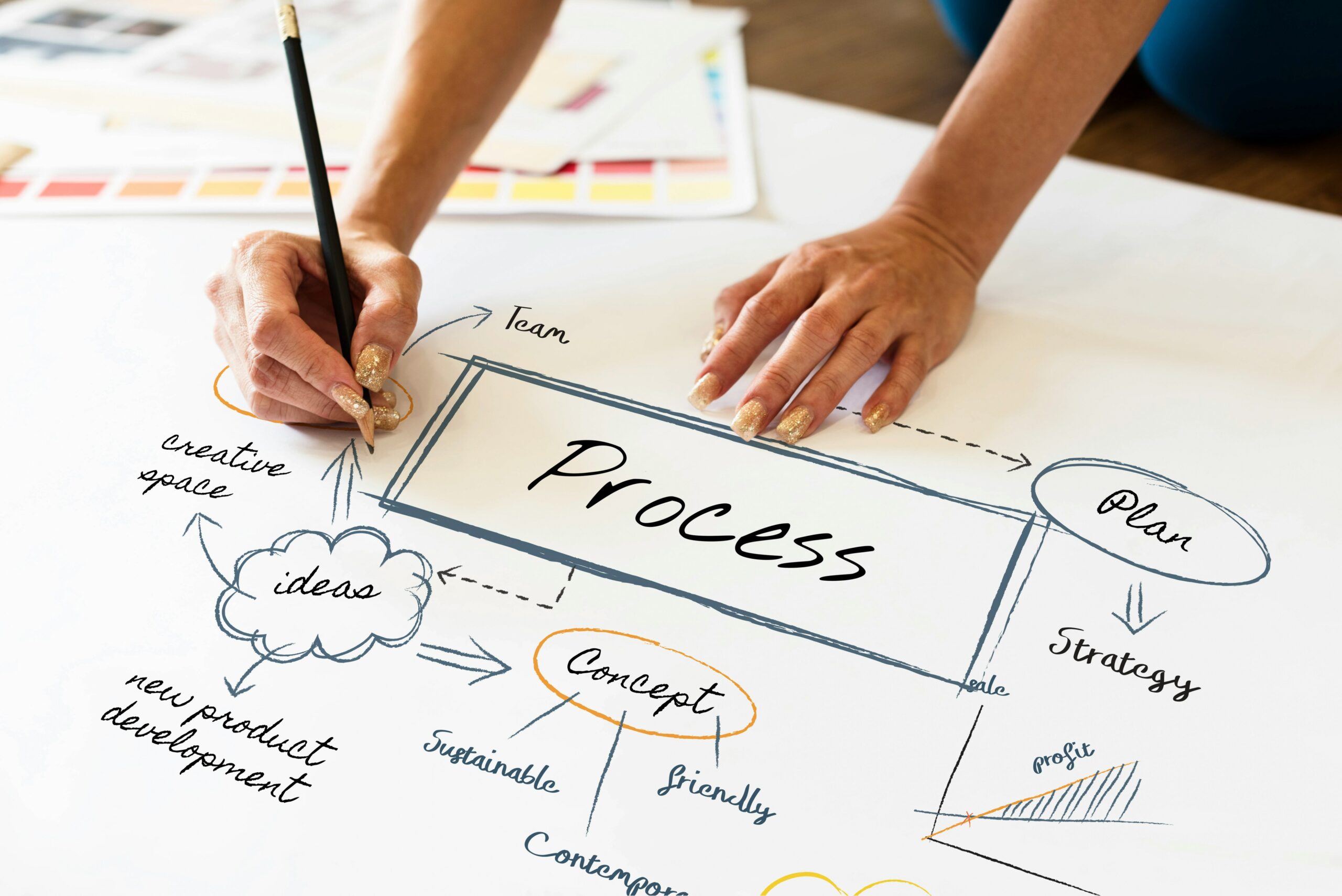
The strategic planning process plays a central role in shaping a company’s direction, strengthening decision-making, and guiding long-term success. When businesses embrace a clear strategy, they gain confidence, improve performance, and respond to challenges with agility. This guide explores how the strategic planning process builds structure, supports strong leadership, and creates a roadmap that keeps an organization aligned with its goals.
Understanding the Purpose of the Strategic Planning Process
The strategic planning process helps leaders set goals that support long-term growth and stability. When a team understands the purpose of planning, it can work toward a shared vision with greater clarity. This purpose also encourages collaboration, which leads to better ideas and stronger outcomes. The process gives every team member a chance to understand why each goal matters and how their work contributes to the larger mission.
It also provides structure during periods of uncertainty. Companies experience shifting markets, new technologies, and new customer needs, yet a strong plan helps them stay focused. When leaders return to the fundamentals of strategy, they gain direction even when conditions change. This clarity helps organizations stay confident and consistent while adapting as needed.
Building a Strong Foundation for Strategic Planning
A strong foundation for the strategic planning process begins with clear values and a unified vision. Leaders set the tone by defining what the company stands for and where it hopes to go. This foundation guides every next step in the planning journey. When the vision is simple and clear, employees support it with more enthusiasm and purpose. A strong foundation also makes it easier to evaluate which strategies work and which need improvement.
The planning foundation should also include a careful review of internal and external conditions. Teams look at strengths, challenges, and opportunities to decide how to move forward. A thoughtful assessment helps companies avoid mistakes and use their resources more effectively. When leaders understand their market position, they develop plans that reflect real conditions. This approach increases confidence and reduces risk over time.
Setting Clear and Measurable Strategic Goals
Clear and measurable goals guide the strategic planning process and help teams move with intention. When goals are specific, everyone understands what success looks like. Leaders can track progress, see improvements, and celebrate wins along the way. Goals create focus, which prevents teams from moving in too many directions at once. A company moves faster when its goals connect to its mission and values.
Goals also support accountability and teamwork. When each person understands their part, collaboration improves. Teams stay aligned because they work toward targets that support overall success. Measurable goals allow companies to adjust quickly if results begin to shift. This kind of flexibility keeps the strategy strong even in competitive industries. With the right goals, a business becomes more organized, more confident, and more consistent.
Developing Strategies That Support Business Growth
Developing strong strategies ensures the company moves forward with purpose. Leaders identify opportunities that align with the organization’s strengths and shape strategies that create long-term advantages. These decisions involve research, creativity, and a deep understanding of customer needs. Effective strategies support future growth rather than focusing only on quick wins. The strategic planning process helps leaders choose actions that build lasting value.
Strategies also support decision-making and teamwork. When every action connects to the broader strategy, teams waste less time and work more efficiently. Employees understand why certain choices matter and how those choices help the company grow. With clear strategies, leaders can focus resources on what produces the strongest results. This approach encourages innovation and builds a strong competitive edge.
Turning Strategic Plans Into Action
A plan gains strength when it becomes action. The strategic planning process supports execution by turning ideas into tasks and workflows that move the company forward. Leaders share expectations, assign responsibilities, and set timelines that keep work on track. When teams understand how their tasks connect to the strategy, they stay motivated and engaged. Strong communication plays a major role in successful execution.
Action also requires continuous improvement. As teams work, they gather insights about what succeeds and what needs adjustment. Leaders use these insights to refine the strategy and keep the company aligned with its goals. By acting, learning, and improving, businesses build momentum. The process becomes a cycle of growth rather than a one-time event. This approach allows the company to respond to challenges without losing direction.
Reviewing Progress and Adapting the Strategy
Reviewing progress gives leaders a chance to measure results and confirm that the strategy continues to support business goals. Regular reviews help teams understand what works and where they need to adjust. Because the market changes, these reviews are vital. They help the company stay flexible while holding onto its core mission. Reflection also keeps teams focused and confident as they move forward.
Adaptation is another important part of long-term success. When leaders adjust strategies based on real performance, they keep the business competitive. Changes in customer behavior, technology, or the economy often require new approaches. The strategic planning process encourages thoughtful adaptation rather than reactive decisions. This mindset builds resilience and ensures that the company remains strong in both stable and challenging times.
Strengthening Long-Term Success Through Strategic Planning
Long-term success grows from consistency, clarity, and ongoing improvement. The strategic planning process helps leaders maintain focus, build strong teams, and invest in what matters most. With a solid plan, companies can track their progress and prepare for future opportunities. This structured approach helps organizations remain strong even in the face of uncertainty.
Strategic planning also creates a culture of purpose. When everyone understands the company’s goals and values, they feel more connected and motivated. This sense of purpose helps teams work with greater dedication, which leads to stronger results. Over time, strategic planning becomes a powerful tool that supports steady growth and lasting success.