Understanding Lean Principles in Simple Terms
Lean principles focus on cutting waste and improving value. The goal is simple, do more with less. Waste can be time, effort, or resources that do not add value. Teams use lean thinking to find problems and fix them fast. This approach started in manufacturing, but now many industries use it.
Lean principles with digital transformation bring a modern edge to this idea. Instead of manual tracking, companies now use digital tools to see problems in real time. This makes lean practices faster and more accurate.
What Digital Transformation Means Today
Digital transformation is the use of technology to improve how a business works. It includes tools like cloud systems, data dashboards, automation, and AI. These tools help teams work smarter, not harder.
When companies combine lean principles with digital transformation, they gain better control. They can track tasks, measure results, and make quick changes. This leads to less waste and higher output.
Identifying Waste with Digital Tools
One key step in lean is finding waste. This can be delays, extra steps, or unused resources. In the past, teams had to observe and record these issues by hand. That took time and often missed hidden problems.
Now, digital tools make this process easier. Sensors, software, and data systems collect information all the time. Teams can see where time is lost or where errors happen. Lean principles with digital transformation help teams spot waste faster and fix it sooner.
Improving Workflow and Process Speed
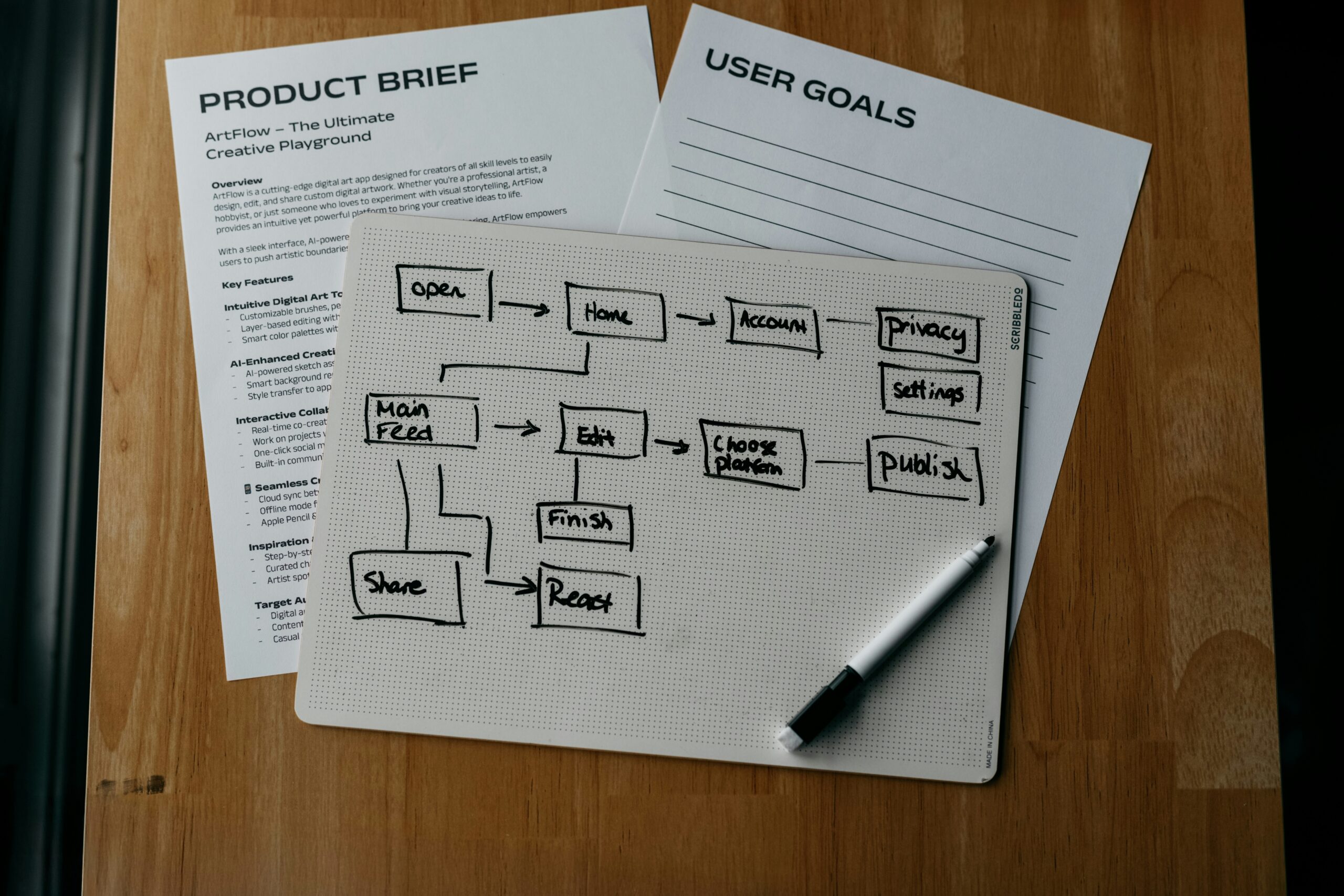
A smooth workflow is important for high output. Lean methods focus on removing steps that slow things down. Digital tools support this by mapping workflows and showing bottlenecks.
For example, a digital dashboard can show how long each task takes. If one step takes too long, teams can adjust it. This creates a faster and more balanced process. Combining lean principles with digital transformation helps keep work flowing without delays.
Using Automation to Cut Repetition
Repetitive tasks are a major source of waste. They take time and can lead to mistakes. Automation solves this problem by handling routine tasks.
Simple tools can send reports, update systems, or track inventory without human input. This saves time and reduces errors. Lean principles with digital transformation use automation to free up workers for more valuable tasks.
Better Decision Making with Real Data
Good decisions depend on clear data. Lean systems need accurate information to improve processes. Digital tools provide this data in real time.
Managers can see trends, track progress, and measure results. This helps them make smart choices quickly. Instead of guessing, they use facts. Lean principles with digital transformation create a strong link between data and action.
Enhancing Team Collaboration
Teams work better when they share information easily. In lean systems, communication is key. Everyone must understand goals and tasks.
Digital platforms allow teams to share updates, track progress, and solve problems together. Remote teams can also stay connected. Lean principles with digital transformation improve teamwork and reduce confusion.
Continuous Improvement Made Easier
Lean is not a one-time effort. It is a cycle of constant improvement. Teams test ideas, measure results, and make changes.
Digital tools support this cycle by tracking performance over time. They store data, show trends, and highlight areas for growth. Lean principles with digital transformation make it easier to keep improving without starting from scratch each time.
Real Benefits for Modern Businesses
When companies combine lean principles with digital transformation, they see clear results. Waste goes down, output goes up, and costs drop. Processes become faster and more reliable.
Employees also benefit. They spend less time on boring tasks and more time on meaningful work. Customers receive better service because processes run smoothly.
In today’s fast world, businesses must adapt quickly. Lean principles with digital transformation provide a strong path forward. They help companies stay efficient, flexible, and ready for change.
By using simple lean ideas with powerful digital tools, any organization can reduce waste and boost output in a smart and sustainable way.