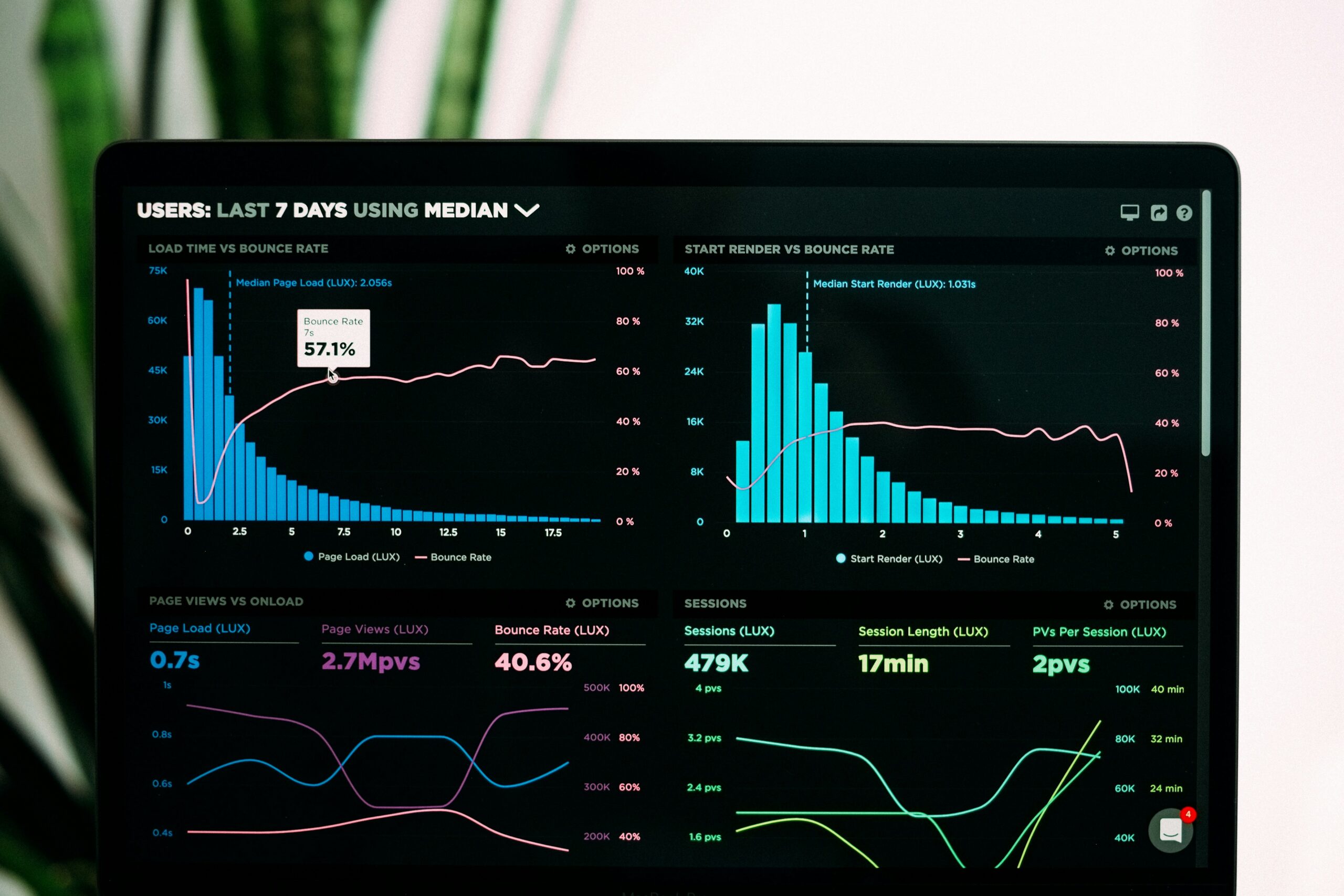
Market intelligence has become one of the most valuable tools for businesses searching for new opportunities in a rapidly changing economy. Companies no longer rely only on past performance or traditional strategies to make important decisions. Instead, they use data-driven insights, customer behavior analysis, competitive research, and industry trends to understand where markets are heading. By gathering and interpreting accurate information, businesses can identify emerging demands before competitors recognize them.
Furthermore, market intelligence helps organizations understand the factors influencing customer choices, economic shifts, and technological developments. When companies analyze market conditions carefully, they can discover gaps that create opportunities for innovation. As a result, businesses gain the ability to develop products, services, and strategies that align with future customer needs rather than simply responding to current challenges.
How Trend Forecasting Reveals Future Market Opportunities
Trend forecasting allows businesses to look beyond today’s conditions and anticipate what customers, industries, and markets may need in the future. By studying patterns in consumer behavior, technology adoption, social changes, and economic movements, companies can predict possible developments before they become mainstream. This forward-thinking approach enables organizations to prepare early and create solutions that match upcoming market demands.
Moreover, trend forecasting reduces uncertainty by helping businesses recognize signals of change. While no prediction can guarantee success, analyzing consistent patterns provides valuable guidance for strategic planning. Therefore, companies that combine trend forecasting with market intelligence can position themselves ahead of competitors and discover opportunities that may remain invisible to others.
Using Data to Identify Untapped Business Opportunities
Data plays a central role in discovering hidden opportunities within competitive markets. Today, businesses have access to large amounts of information from customer interactions, online behavior, sales patterns, and industry reports. However, collecting data alone does not create value. Companies must analyze this information effectively to uncover meaningful insights that support smarter decisions and long-term growth.
Additionally, advanced analytics tools allow businesses to identify customer preferences, market gaps, and emerging demands with greater accuracy. For example, changes in buying habits may reveal a need for improved products or new services. Consequently, companies that understand how to interpret data can transform information into strategies that create strong competitive advantages.
Understanding Consumer Behavior to Predict Market Shifts
Consumer behavior provides important clues about where markets are moving. People’s preferences often change because of new technologies, lifestyle adjustments, financial conditions, and cultural influences. By studying these changes, businesses can better understand what customers value and develop offerings that meet evolving expectations. This approach helps organizations create stronger connections with their target audiences.
In addition, tracking consumer behavior allows companies to recognize early signs of market transformation. For instance, increased demand for convenience, personalization, or sustainable solutions can indicate broader industry changes. Therefore, businesses that continuously monitor customer behavior can adapt faster and uncover opportunities before they become highly competitive spaces.
Combining Competitive Analysis With Market Insights
Competitive analysis helps businesses understand their position within an industry and identify areas where they can improve. By examining competitors’ strengths, weaknesses, strategies, and customer relationships, organizations can discover opportunities for differentiation. This information provides valuable direction for companies looking to create unique solutions and strengthen their market presence.
Furthermore, competitive research combined with market intelligence creates a clearer picture of industry opportunities. Businesses can identify underserved customers, overlooked market segments, and areas where competitors have failed to meet expectations. As a result, companies can develop more effective strategies that respond to real market needs while building sustainable growth.
The Role of Technology in Market Intelligence and Forecasting
Technology has significantly transformed the way businesses collect and analyze market information. Artificial intelligence, machine learning, automation, and predictive analytics now allow organizations to process complex data faster than ever before. These technologies help companies recognize patterns, forecast trends, and make informed decisions with greater confidence.
Moreover, digital platforms provide businesses with real-time insights into customer activity and market changes. Instead of depending only on historical reports, companies can monitor current developments and adjust their strategies quickly. Consequently, technology has made market intelligence more accessible, accurate, and valuable for businesses of all sizes.
Turning Market Insights Into Strategic Action
Discovering an opportunity is only the first step; businesses must also take action to transform insights into successful strategies. Companies need to evaluate potential opportunities, understand possible risks, and develop practical plans for execution. Without effective implementation, even the most valuable market insights may fail to produce meaningful results.
Additionally, successful organizations create a culture where decision-making is guided by research and innovation. Teams that regularly review market intelligence can respond faster to changing conditions and explore new possibilities. Therefore, businesses that connect insights with action can improve their ability to achieve growth and maintain a strong competitive position.
Recognizing Emerging Industries and Growth Markets
Emerging industries often create some of the greatest opportunities for businesses willing to adapt early. New technologies, changing consumer expectations, and global challenges can create demand for innovative solutions. By monitoring these developments through market intelligence and trend forecasting, companies can identify industries with strong future potential.
Furthermore, businesses that enter growing markets at the right time can establish valuable advantages. Early participation allows companies to build customer relationships, develop expertise, and strengthen their reputation before markets become crowded. As a result, recognizing emerging opportunities early can become a major factor in achieving long-term success.
Building a Future-Ready Business Strategy
A future-ready business strategy requires continuous learning, flexibility, and awareness of market changes. Companies cannot depend on outdated methods when industries evolve quickly. Instead, they must regularly analyze new information, evaluate trends, and adjust their goals based on changing conditions.
Finally, businesses that integrate market intelligence and trend forecasting into their planning process create a stronger foundation for innovation and growth. These tools help organizations understand opportunities, reduce risks, and make confident decisions about the future. By using accurate insights and proactive strategies, companies can discover the next big opportunity and build lasting success in an increasingly competitive marketplace.