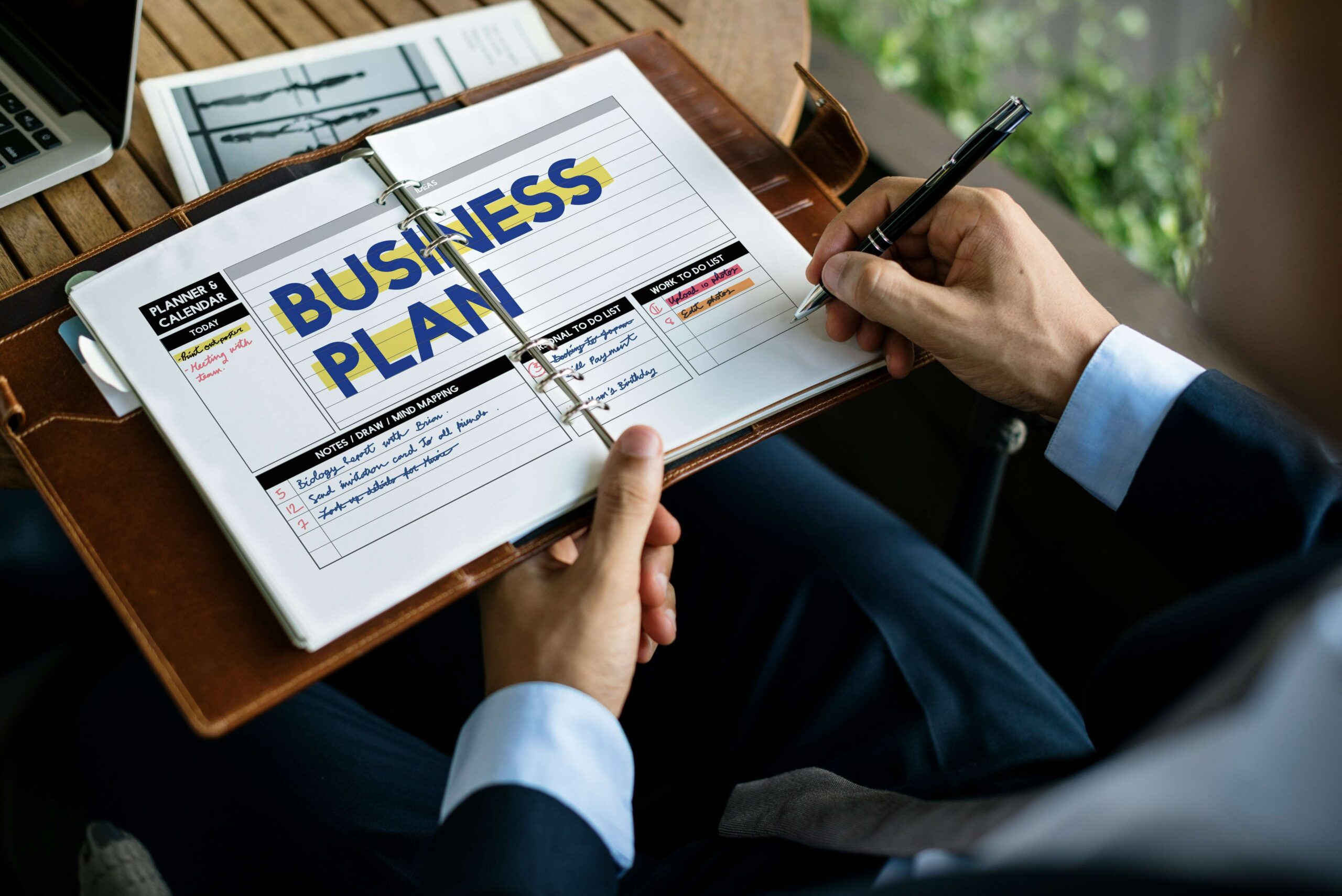
Intelligent systems are changing how businesses plan for growth, manage resources, and respond to market changes. With artificial intelligence, machine learning, and data analytics, companies can make informed decisions and develop more effective strategies. These technologies help organizations understand customer behavior, predict future trends, and identify potential risks before they become serious problems. As business environments become more competitive, intelligent systems are becoming valuable tools for improving planning and supporting long-term success.
Traditional business planning often depends on historical records, manual research, and personal experience. Although these methods remain useful, intelligent technology provides faster analysis and deeper insights. By combining reliable data with human expertise, businesses can create flexible plans that respond to changing conditions.
Improving Business Decisions With Data Insights
Effective business planning requires accurate information and careful evaluation. Intelligent systems can process large amounts of data from sales records, customer feedback, market reports, and financial activities. They identify patterns and trends that help managers better understand business performance.
For example, a company can analyze purchasing behavior to determine which products are gaining popularity. Managers can use these insights to adjust marketing strategies, improve product development, and allocate resources more effectively. Instead of relying entirely on assumptions, businesses can make decisions supported by relevant information.
Data-driven planning also helps organizations measure progress toward their goals. By regularly reviewing performance indicators, managers can identify weaknesses and make timely adjustments. This approach improves accountability and helps businesses stay on track.
Predicting Market Trends and Future Demand
Predicting future market conditions is an important part of business planning. Intelligent systems use historical information, current market signals, and predictive analytics to estimate future demand and identify emerging opportunities.
For instance, a retail business can forecast seasonal demand by analyzing previous sales, customer preferences, and changing buying patterns. This information helps managers prepare inventory, schedule employees, and plan promotional campaigns. Better forecasting can reduce waste and prevent shortages during busy periods.
Predictive technology can also help businesses recognize changes in customer expectations and industry competition. Although forecasts cannot guarantee future results, they provide useful guidance for evaluating possible outcomes. Companies can use these predictions to prepare alternative strategies and respond more confidently to uncertainty.
Supporting Financial Planning and Budget Management
Financial planning is essential for maintaining stability and achieving business objectives. Intelligent systems help companies examine expenses, estimate revenue, monitor cash flow, and identify areas where resources may be used more efficiently.
Automated financial analysis can reveal spending patterns and highlight unusual transactions. These insights allow managers to evaluate budgets, control unnecessary costs, and make better investment decisions. Intelligent forecasting tools can also estimate future financial requirements based on expected sales and operating expenses.
Small businesses can benefit from these capabilities because they often operate with limited budgets and resources. By understanding potential financial challenges earlier, business owners can make practical adjustments and avoid decisions that could threaten their stability.
Strengthening Risk Assessment and Strategic Planning
Every business faces risks, including changing customer demand, supply chain disruptions, rising costs, and new competitors. Intelligent systems help organizations evaluate these challenges by examining available information and identifying warning signs.
For example, a manufacturer can monitor supplier performance and market conditions to anticipate possible delivery delays. Managers can then explore alternative suppliers or adjust production schedules before disruptions affect customers.
Intelligent risk analysis also supports strategic planning by allowing businesses to compare different scenarios. Companies can examine how changes in pricing, operating costs, or market demand might influence their performance. This preparation helps leaders develop practical responses and make more balanced decisions.
However, businesses should not depend entirely on automated recommendations. Human judgment remains essential when evaluating unusual situations and decisions involving significant financial or operational consequences.
Enhancing Team Collaboration and Resource Allocation
Successful business planning requires cross-department coordination. Sales, marketing, finance, and operations teams must work toward shared objectives while managing different responsibilities.
Intelligent systems can improve collaboration by providing teams with consistent information and timely performance updates. Shared dashboards let managers monitor progress, spot delays, and identify areas that need extra support.
These tools also help businesses allocate employees, equipment, and budgets according to changing priorities. For example, a company experiencing increased demand for a particular service can adjust staffing levels and direct resources toward the most important tasks.
Better coordination reduces misunderstandings, improves productivity, and helps employees understand how their work contributes to broader business goals.
Overcoming Challenges in Intelligent Business Planning
Despite their advantages, intelligent systems require careful implementation. Poor data quality, cybersecurity concerns, limited technical knowledge, and high initial costs can affect their usefulness. Some systems may also produce inaccurate predictions when market conditions change unexpectedly.
Businesses should begin by identifying clear planning objectives and selecting technology that meets their specific needs. Employees need appropriate training to interpret insights and recognize system limitations. Regular performance reviews can help organizations evaluate accuracy and improve results over time.
Responsible data management and human oversight are equally important. Companies should protect sensitive information, review automated recommendations, and keep important decisions transparent and accountable.
Preparing for Smarter Business Growth
Intelligent systems are transforming business planning by improving forecasting, strengthening financial management, and helping organizations respond to risks. They provide valuable insights that support informed decisions and more efficient resource allocation.
Businesses that combine intelligent technology with human experience can develop stronger strategies and adapt more effectively to changing market conditions. By investing in suitable tools, reliable data, and employee development, organizations can build practical plans that support sustainable growth and long-term success.