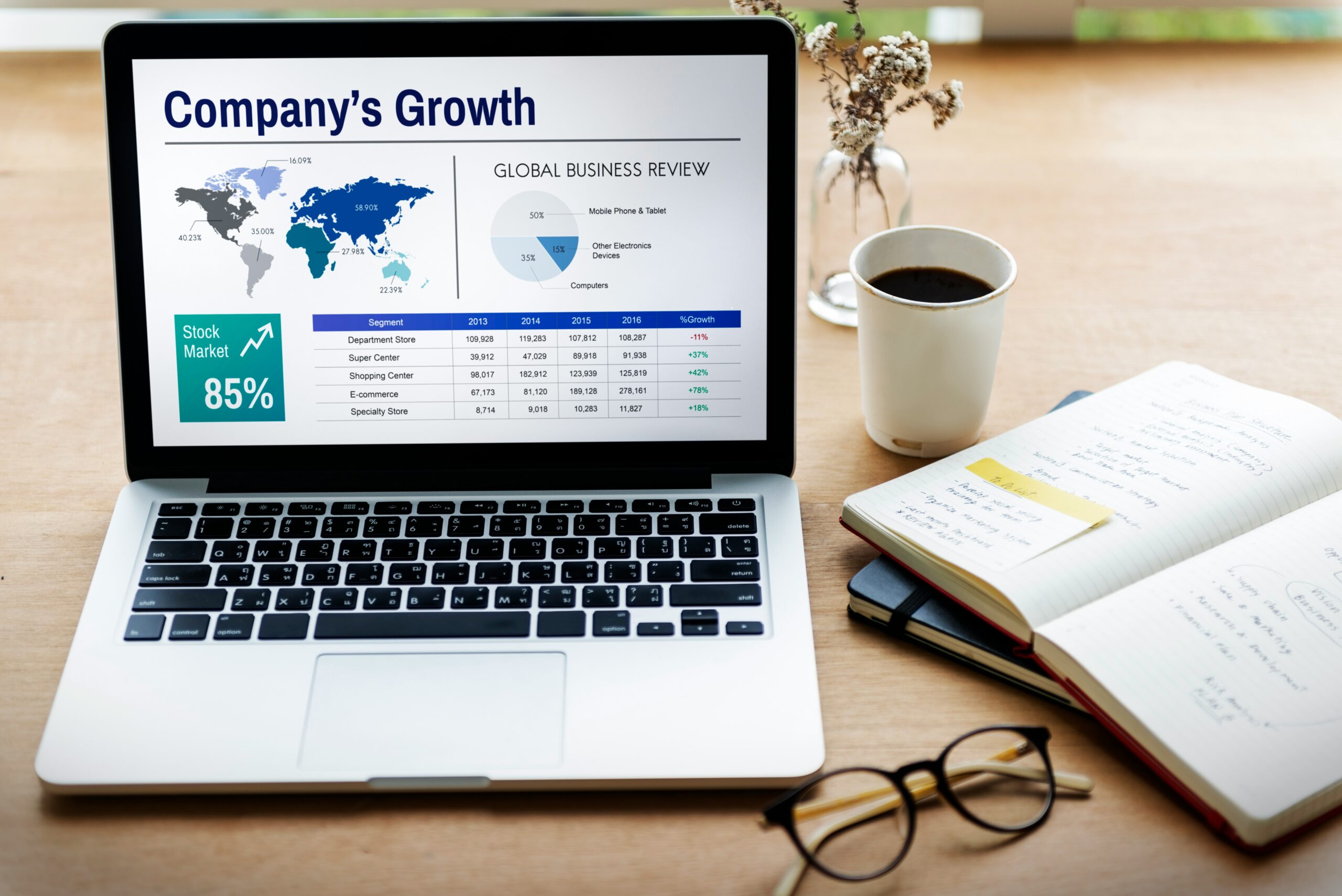
Every business measures performance. Teams track sales, response time, customer satisfaction, and many other numbers. These numbers are called operational metrics. They help leaders see what is happening in daily work. Still, numbers alone do not guide a company toward its future. For real progress, companies must align operational metrics with long term business goals.
When metrics match long term goals, daily actions support the bigger mission. Teams understand what matters most. Leaders make better decisions. Progress becomes easier to track. This article explains how to align operational metrics with long term business goals in a clear and practical way.
The Difference Between Operational Metrics and Long Term Business Goals
Operational metrics measure short term activity. They track what teams do each day or week. Examples include call response time, number of sales, website visits, or product delivery speed.
Long term business goals focus on the future. They may include growing market share, building brand trust, improving profit margins, or expanding into new markets.
Problems happen when these two areas do not connect. A team may hit daily targets, yet the company may still struggle to reach long term success. That is why leaders must align operational metrics with long term business goals from the start.
The Importance of Defining Clear Long Term Business Goals
Alignment begins with clarity. Leaders must define what the company wants to achieve in the next three to five years.
Good goals are simple and specific. For example, a company may aim to increase customer retention by 20 percent. Another business may want to expand into three new regions. A software firm may focus on improving product reliability.
When goals are clear, it becomes easier to align operational metrics with long term business goals. Teams know what direction they must follow. Confusion decreases and focus improves.
The Role of Daily Activities in Achieving Strategic Goals
After defining long term goals, leaders must identify the activities that support them. Every major goal depends on smaller daily actions.
For example, a company that wants higher customer retention may focus on customer support quality. This means tracking response time, issue resolution rate, and customer satisfaction scores.
A business that wants stronger brand awareness may measure website traffic, social media engagement, and content reach.
These smaller actions form the bridge between strategy and daily work. This process helps align operational metrics with long term business goals in a practical way.
The Process of Selecting the Right Operational Metrics
Not every metric matters equally. Some numbers look impressive but do not help long term growth.
For example, a company may celebrate high website traffic. Yet if visitors do not become customers, the traffic does not support the business goal.
Good metrics show progress toward real outcomes. They measure actions that move the company closer to its vision.
To align operational metrics with long term business goals, leaders should ask one simple question. Does this metric directly support the goal? If the answer is no, the metric may not belong on the dashboard.
The Value of Communicating Metrics Across the Organization
Metrics only work when teams understand them. Leaders must explain why each number matters.
Employees should know how their work affects the company’s future. When teams see the connection, motivation increases.
For example, a support agent who understands that faster problem resolution improves customer loyalty will focus on quality service. A marketing team that knows lead quality drives revenue will focus on targeted campaigns.
Clear communication helps align operational metrics with long term business goals across every department.
The Benefits of Using Dashboards to Track Progress
Data must be easy to read and understand. Dashboards help teams track performance in real time.
A good dashboard highlights key metrics that connect to long term goals. It avoids unnecessary numbers that create confusion.
For example, a customer success dashboard may show retention rate, support response time, and satisfaction score. A sales dashboard may track qualified leads, conversion rate, and average deal value.
Visual dashboards help leaders and teams see whether their work continues to align operational metrics with long term business goals.
The Need for Regular Reviews and Metric Adjustments
Business environments change often. Markets evolve. Customer needs shift. Technology improves.
Because of this, companies must review their metrics often. A metric that worked last year may not support current goals.
Quarterly reviews help leaders evaluate whether current measurements still support the strategy. If not, adjustments are needed.
This regular review keeps operational metrics aligned with long term business goals even as the company grows and adapts.
The Impact of Strategic Thinking on Metric Alignment
Alignment is not only about numbers. It also depends on mindset. Teams should think about how daily actions support the company mission.
Leaders can encourage this mindset by asking questions during meetings. For example, they may ask how a project supports future growth or how a new initiative improves customer value.
Training and leadership communication also help employees think beyond daily tasks. When teams understand the bigger picture, they naturally align operational metrics with long term business goals.
Businesses collect many numbers every day. Yet numbers alone do not guarantee success. What matters is how those numbers connect to the future.
Companies that align operational metrics with long term business goals create stronger focus. Teams understand priorities. Leaders make smarter decisions. Progress becomes visible and measurable.
The process begins with clear goals. It continues with careful metric selection, strong communication, and regular review. Over time, this alignment turns daily work into steady strategic progress.
When operational metrics support the larger mission, every action moves the business forward. That is how companies build sustainable growth and lasting success.